


Joseph Wambaugh found inspiration at Cal State LA.
“I don’t know that I would have ever been bewitched by the magic of literature had I been left to my own devices, that is, without the absolutely wondrous atmosphere I found at Cal State LA,” said the best-selling author of his time at the University. “If I’d never had a word published, I wouldn’t have traded my formal education for anything. It was nothing less than magical.”
“I don’t know that I would have ever been bewitched by the magic of literature had I been left to my own devices—that is, without the absolutely wondrous atmosphere I found at Cal State LA,”
Wambaugh, one of Cal State LA’s most renowned alumni, died of esophageal cancer at his home in Rancho Mirage on Feb. 28, 2025. He was 88.
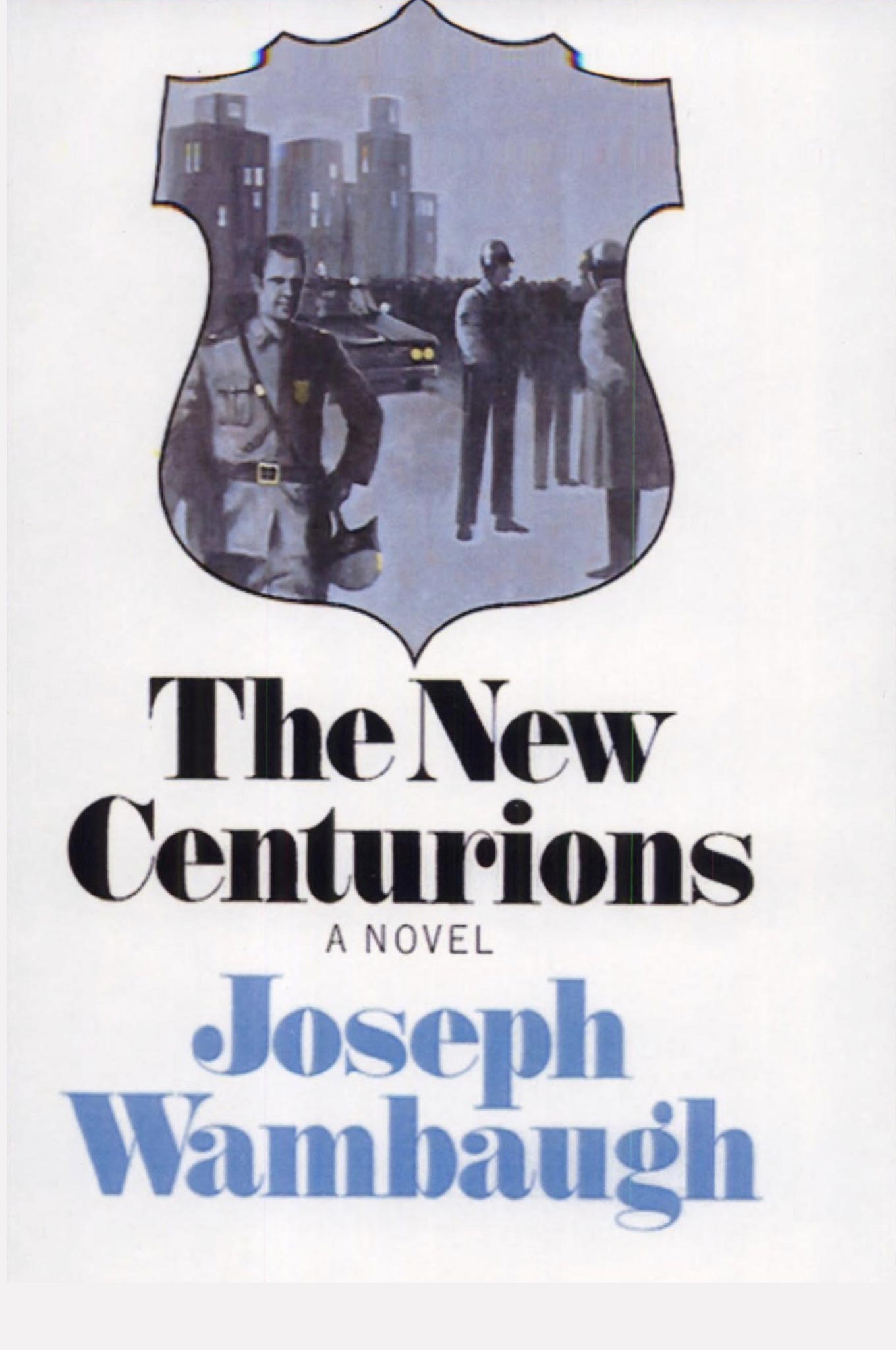
Wambaugh served on the Los Angeles Police Department before turning into a prolific writer of fictional and non-fictional crime novels. His first book, the fictional The New Centurions, was published in 1971 while Wambaugh was still with the police department as a sergeant detective.
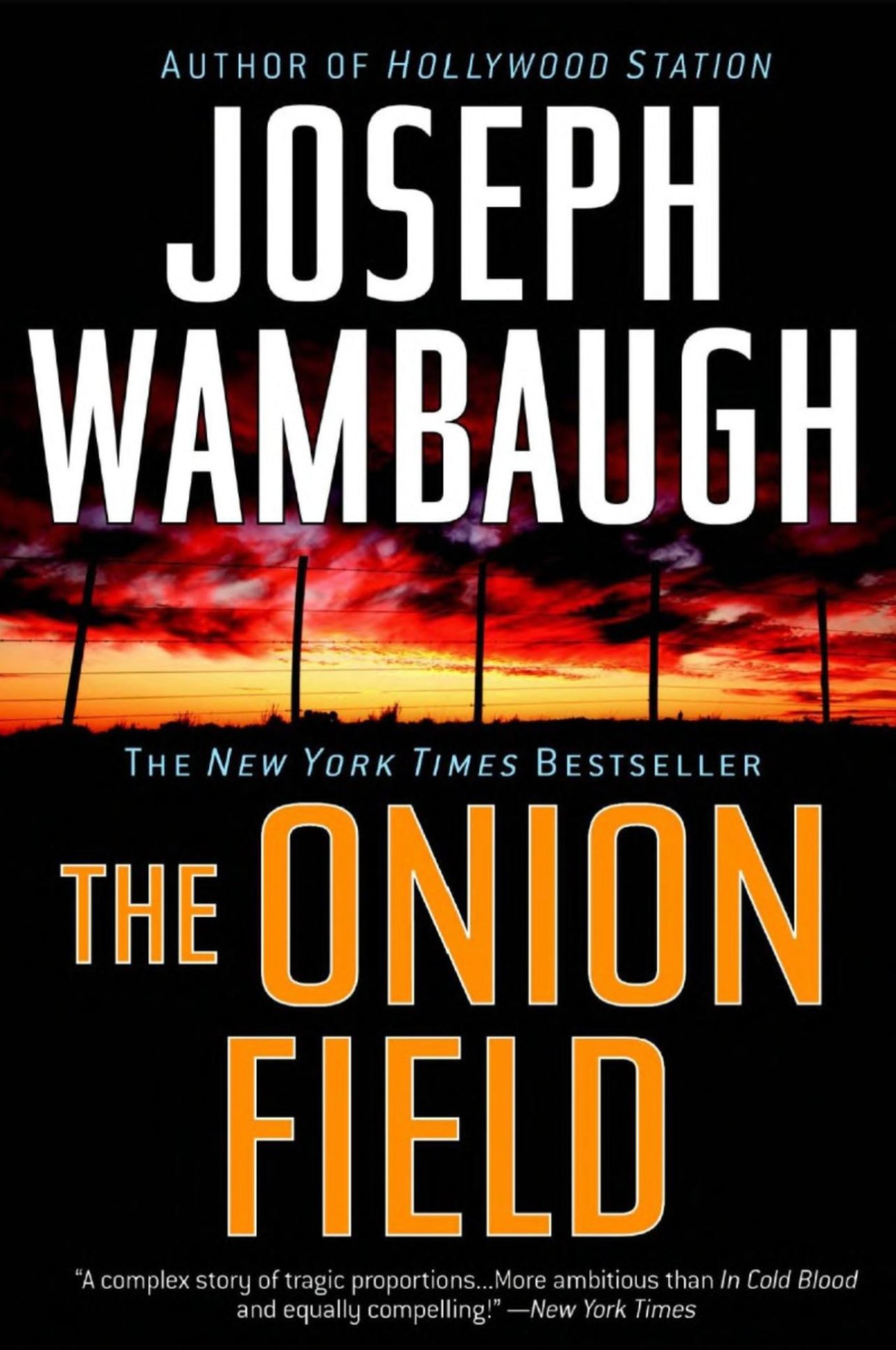
He would go on to author 21 books, including the critically acclaimed The Onion Field (1973), the true-crime story of the kidnapping of two plainclothes Los Angeles policemen and the subsequent murder of one of the officers. Many of his books were adapted into feature films and TV movies, and Wambaugh was also involved in the creation and development of the NBC TV series Police Story.
Wambaugh graduated from Los Angeles State College, later renamed as Cal State LA, in 1960 with a bachelor’s degree in English. He returned and completed his master’s degree in 1968.

In 1973, he became the first recipient of Cal State LA’s Outstanding Alumnus Award.
Wambaugh was born the son of a police officer in East Pittsburgh, Pennsylvania, on Jan. 22, 1937. His family moved to California when he was in his teens. Wambaugh graduated from Chaffey High School in Ontario, joined the Marine Corps at 17, and married Dee Allsup at 18. They had three children.
He was with the LAPD from 1960 to 1974. By the time he left the department, he had established himself as an innovator of the crime genre.
“If he didn’t invent the police novel, he certainly reinvented it,” Michael Connelly, author of the Harry Bosch police series, told the Associated Press in 2007.
Wambaugh’s characters were often flawed. Until he flipped the script, policemen were often depicted as perfect heroes who neatly wrapped up cases with a few clues and some clever questioning of suspects.
“Instead of writing about how cops worked the job, I wrote about how the job worked on the cops.”
“All I did was turn things around,” he said in a 2019 interview. “Instead of writing about how cops worked the job, I wrote about how the job worked on the cops.”
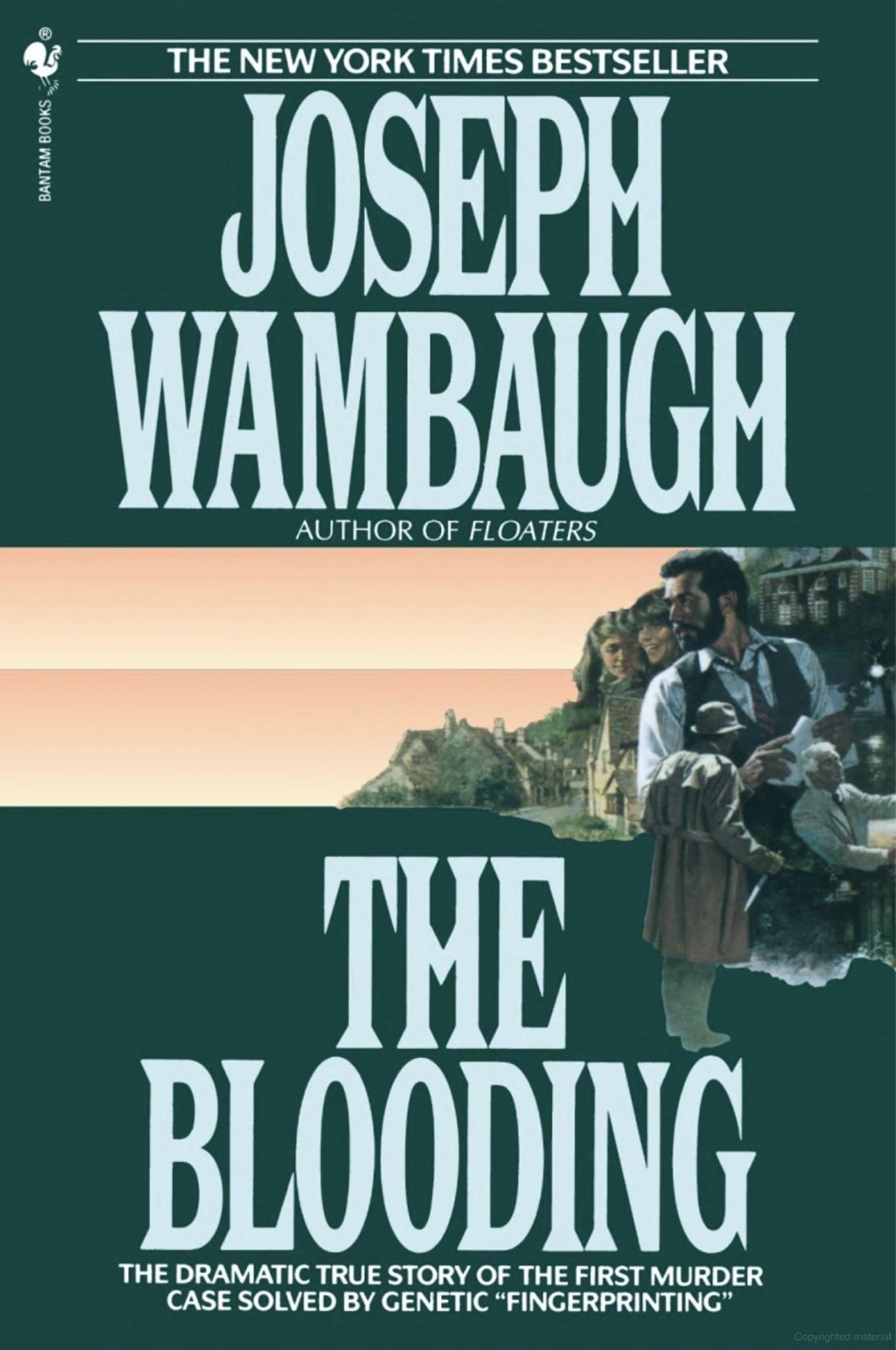
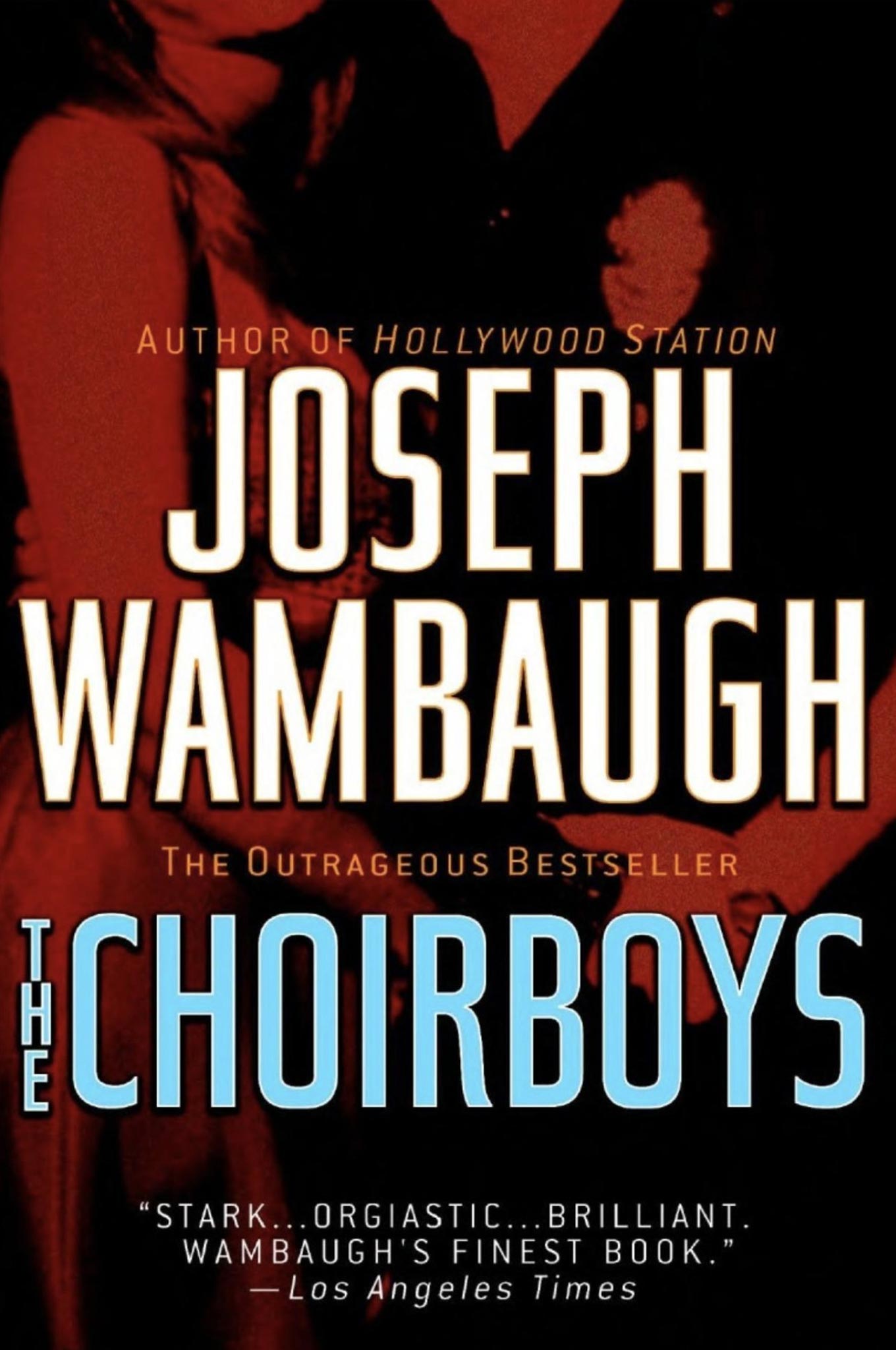
Wambaugh’s work included the novels The Blue Knight (1972), The Choirboys (1975), The Black Marble (1978), and The Glitter Dome (1981); and the true-crime accounts of Lines and Shadows (1984), The Blooding: The True Story of the Narborough Village Murders (1989), and Fire Lover: A True Story (2002).
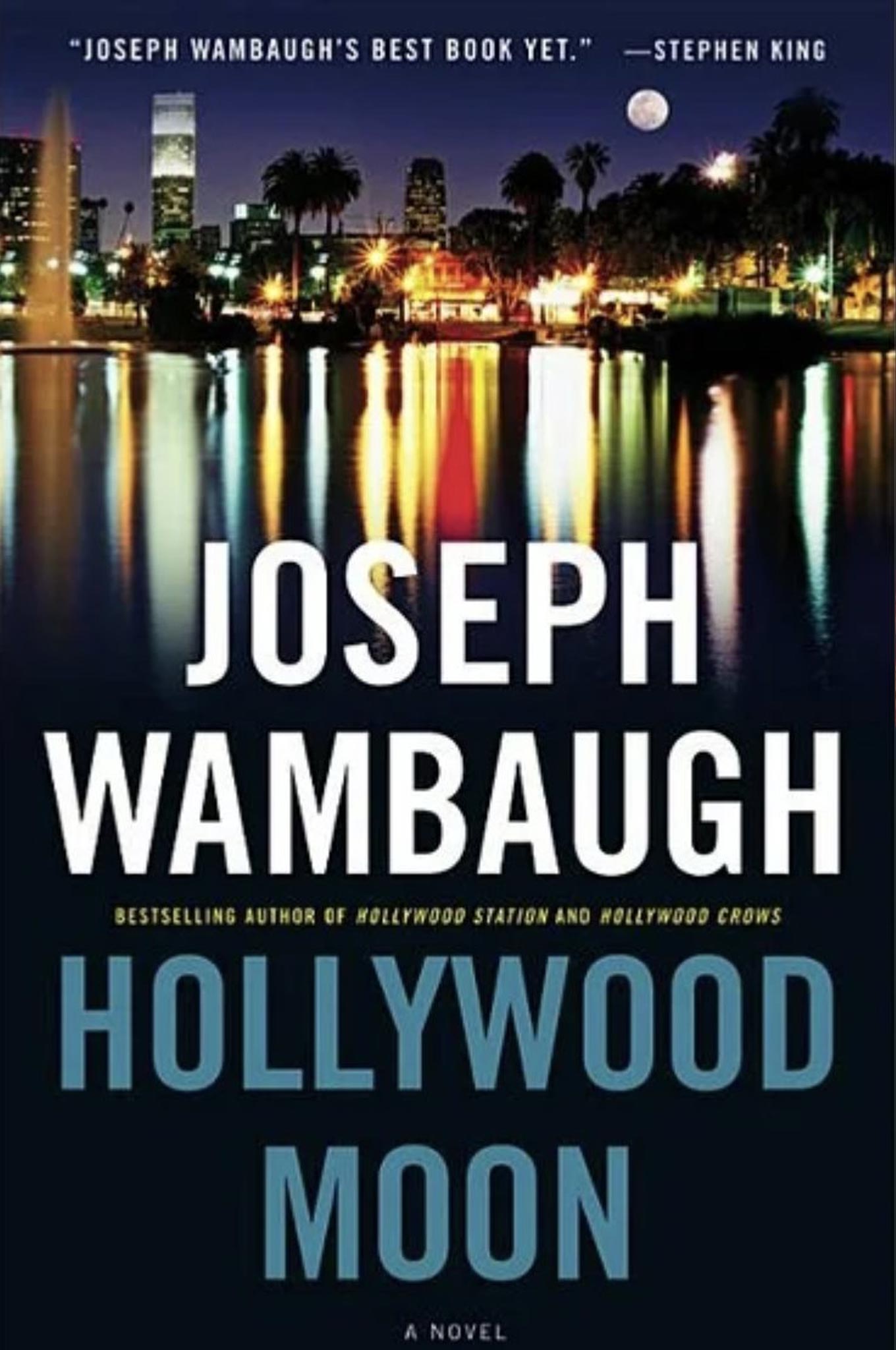
From 2006 to 2012, he concentrated on five works of fiction that became known collectively as the Hollywood Station series.
Wambaugh wrote the screenplays for The Onion Field (1979) and The Black Marble (1980). Other adaptations included the film The New Centurions (1972), the Emmy-winning The Blue Knight miniseries (1973), and the HBO film The Glitter Dome (1984).
Wambaugh won the Edgar Allan Poe Award from the Mystery Writers of America in 1974, 1981, and 2003, and the Grand Master Award in 2004.